When a clogged drain is an emergency
Most clogs are a nuisance. A few are an emergency, and the difference is whether the water has somewhere safe to go. If sewage or gray water is rising into a tub, a basement floor drain or a toilet, the line is blocked past the fixture and every minute of use makes it worse. Our dispatch line answers around the clock, and we book same-day appointments when we have the capacity.
- Sewage or dark water coming up in the lowest drain in the house, usually a basement floor drain or tub.
- Two or more fixtures backing up at once, or a toilet that gurgles when the washing machine drains.
- Water standing in a kitchen sink after the dishwasher runs, with a smell of sewage.
- A drain that was slow for weeks and has now stopped completely overnight.
What to do while you wait for the plumber
- Stop adding water. Hold off on laundry, showers and the dishwasher. Every gallon you send down a blocked line has to come back up somewhere.
- Skip the chemical cleaner. Caustic drain openers can sit in a blocked pipe and splash back on whoever works on it. They also make a safe cleanout harder.
- Find the cleanout. Most Plainfield homes have a capped cleanout fitting near the foundation or in the basement. Clear the area around it so we can reach it fast.
- Protect the floor and yourself. Keep children and pets away from standing water. Treat anything that came up from a sewer line as contaminated and wear gloves if you must touch it.
- Call and describe what you see. Tell the dispatcher which fixtures are affected. That one detail tells us whether we are heading for a branch line or the main.
Why drains clog in older Plainfield homes
Plainfield grew from about 5,100 residents in 1870 to more than 34,000 by 1930, and much of the older housing stock dates from that surge. Homes in the Crescent Area Historic District, where most houses were built between 1870 and 1900, have been re-plumbed in pieces over more than a century. That means a modern PVC branch line can feed into old cast iron or clay below the slab, and the rough inner wall of old pipe catches grease and hair.
The practical result is a drain that clears with a snake and then slows again in a month or two. When we see that pattern, we treat the clog as a symptom and look for the pipe condition that keeps causing it. A cable machine clears the blockage. A camera tells you whether the pipe will keep making more of them.
Kitchens are the other big source. Grease from the sink cools inside the line and builds a layer a little thicker each week, so a kitchen sink that backs up every few months usually has a grease or scale problem further down the pipe. Bathrooms clog with hair, soap film and wipes labeled flushable that never break apart.
Kitchen sink, tub and shower clogs
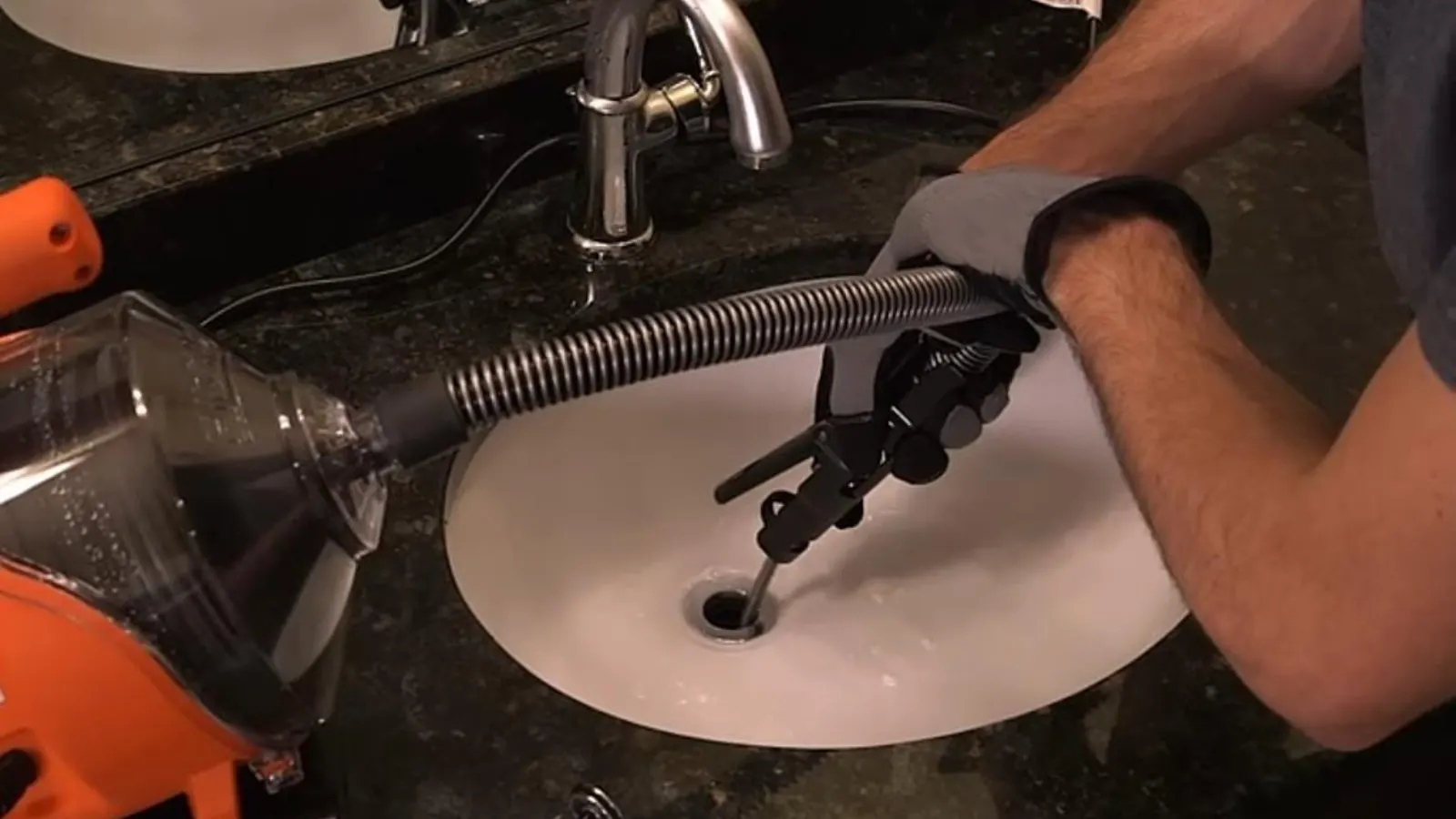
Kitchen clogs are the most common call we get, and they are usually two problems stacked together. A food-and-grease plug sits at the first bend under the sink, and a longer film of grease coats the line behind it. We clear the plug with a hand auger or small drum machine, then run a cutting head through the longer run so the line stops backing up again within weeks.
Tub and shower drains clog higher up, near the trap, because hair knits around the strainer and the drain arm. We pull the hair out rather than pushing it deeper. If a tub only drains slowly after a clear snake pass, the vent may be partly blocked, and we check that before we leave.
If your disposal is part of the problem, our garbage disposal repair page explains when a jam is a motor issue and when it is really a clogged line.
Snake, cable machine or jetter: how we choose
The right tool depends on the pipe, the blockage and how often it has come back. We start with the least aggressive method that will fully clear the line.
| Method | Best for | Limit to know about |
|---|---|---|
| Hand auger or closet auger. | Toilets, tubs, bathroom sinks, short branch lines. | Cannot reach far enough for a main line. |
| Drum or cable machine. | Kitchen lines, laundry lines, main lines with roots or paper. | Opens a hole through the blockage but can leave a film on the pipe wall. |
| Hydro jetting. | Grease, scale and heavy buildup that keeps returning. | Not right for a pipe that is cracked or collapsing, so we scope first. |
| Camera inspection. | Repeat clogs, gurgling, anything that smells of sewage. | Shows the cause but does not clear the line by itself. |
When a line keeps clogging, hydro jetting cleans the pipe wall instead of just poking a hole through the blockage, and a sewer camera inspection shows whether a belly, a root or a cracked joint is the real cause.
Main line or branch line: how we tell the difference
A single slow fixture is almost always a branch line. If the toilet, the tub and the basement floor drain all act up together, the blockage is in the main line that carries everything to the street. The lowest drain in the house shows the problem first because that is where water backs up when the main is blocked.
Main line clears take more cable, and in a house with a clay or cast iron lateral they carry more risk of snagging. That is the main reason we recommend a camera look after a main line clog. If the pipe is damaged, sewer line repair may come next, and we say so plainly before any work begins.
What affects the price of drain cleaning
We give a clear price before work starts, and the number depends on a handful of real factors.
- Where the clog is.A bathroom sink branch costs less than a main line that needs a long cable run.
- How far the cable runs.Distance, access and the number of cleanouts change the time on site.
- The pipe material.Old cast iron and clay need a gentler approach than PVC.
- Whether it is a repeat clog.A line that keeps returning may need jetting or a camera, which adds a step.
- Time of day.After-hours dispatch is priced differently from a scheduled weekday visit.
Most homeowner policies cover sudden water damage but often exclude damage from a sewer or drain backup unless you added backup coverage. Check your policy and photograph any water damage before cleanup. To get your real number for your line, call (908) 357-1542.
Drain backing up right now?
Describe which fixtures are affected and we will tell you what to expect before anyone arrives.
Serving Plainfield ZIP codes and nearby towns
We clear drains across Plainfield, including the 07060 downtown ZIP and the 07062 and 07063 neighborhoods, from East Front Street and Park Avenue to the residential blocks near Cedar Brook Park. We also work in North Plainfield and Scotch Plains, where older lots with mature trees are a common cause of root clogs.
Landlords and property managers can call us for repeat clogs in multi-unit buildings. We note which line is blocked, which units are affected and what we found, so you have a record to work from.
Drain cleaning questions from Plainfield homeowners
Yes. Our dispatch line is open 24/7, including nights, weekends and holidays. Sewage backing into a tub or basement drain is treated as an emergency, and we schedule same-day visits when we have a technician available. Call (908) 357-1542 and tell the dispatcher which fixtures are affected.
A clog that returns usually means the blockage was cleared but the cause remains. Grease film, scale, a root or a low spot in the pipe keeps catching new debris. A camera inspection or a jetting pass tells you which one it is.
A careful operator with the right head rarely damages sound pipe. Old, brittle cast iron or cracked clay is a different story, which is why we scope a main line that clogs repeatedly before sending a heavy cable through it.
It can freshen a drain and loosen light buildup near the opening. It will not clear a real blockage deeper in the line, and it does nothing for grease coating the pipe a few feet back.
Check the other fixtures. If more than one backs up, or the lowest drain in the house bubbles when you flush, suspect the main line. A single slow sink is nearly always its own branch.
Yes. We work with landlords and property managers, document which line was blocked and what caused it, and can note whether the problem looks like tenant use or a building defect.